Two boxes can share the same board, the same print and the same size, and one still looks twice the price. The difference is almost always the finish: a line of gold, a raised logo, a patch of gloss on a matt surface. Here is how the three big finishes work, and how to pick.
01 · The threeWhat each one does
Hot foil stamping
A heated metal die presses a thin metallic or coloured film onto the sheet. Gold and silver are the classics; holographic, rose gold and matt pigment foils exist too.
Good for: logos, names, borders, festive and luxury accents.
Embossing & debossing
A matched male and female die push the board up (emboss) or down (deboss). Blind, with no ink, it is pure texture; lined up with print or foil, it lifts the design off the sheet.
Good for: logos, monograms, patterns, tactile packaging.
Spot UV
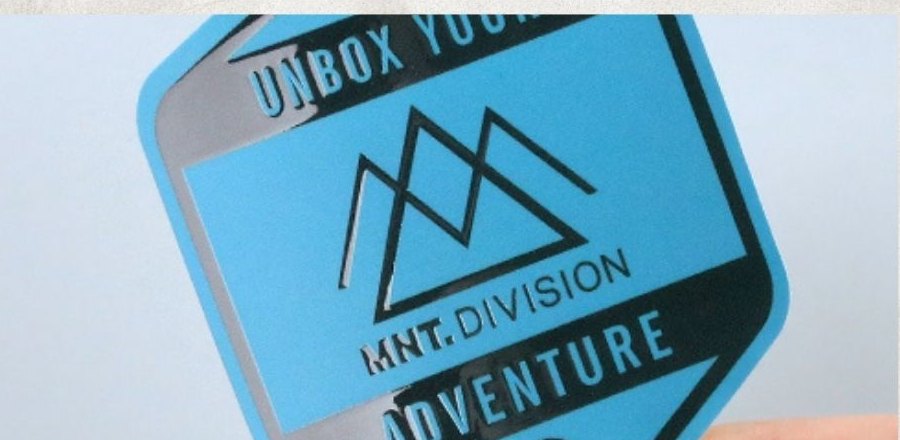
A clear varnish, cured instantly by UV light, laid only where you want it. On a matt or soft-touch laminate the glossy areas catch the light while the rest stays velvety.
Good for: logos, photos, patterns, dark premium boxes.
Raised spot UV
The same clear varnish, built up thick enough to feel with a fingertip. Applied digitally, it needs no screen or plate, so short runs and one-off versions are practical.
Good for: business cards, invitations, short-run gift boxes.
02 · Side by sideWhich does what
03 · CombinationsStack them
The most premium pieces usually combine two finishes. A few that work every time:
- Foil + emboss: a gold logo that also stands proud of the box. Done in one pass with a combination die.
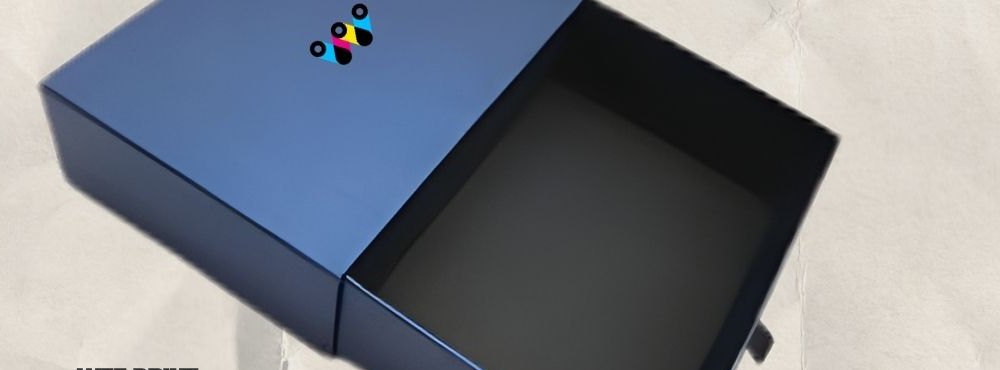
- Soft-touch + spot UV: a velvety dark box with a glossy logo or pattern that only shows when the light catches it.
- Blind deboss + foil: a pressed pattern across the lid with one foiled mark at the centre.
- Raised spot UV on print: a photo or pattern you can feel, useful when a die would not pay for itself.

04 · On our floorRaised spot UV, in-house
We run a Duplo DDC-810 raised spot UV coater on our floor in Sahibabad. It lays down flat or raised spot UV digitally, straight from the file, with no screens or plates. That makes tactile finishes practical on short runs, samples and personalised versions. Our partner TechNova made a short film about why we chose it.
05 · ArtworkHow to set up the file
- One layer per finish. Put foil, emboss and spot UV each on its own layer, as a 100% spot colour named for the finish ("Foil", "Emboss", "SpotUV").
- Vector, solid shapes. No gradients, shadows or transparency on a finish layer.
- Mind the detail. Very thin lines and tiny text can fill in under foil or lose shape in an emboss. Ask us for the limit for your stock.
- Keep clear of folds. Leave a few millimetres between a finish and any crease or cut on a box.
Our artwork checklist covers the rest of the file.
Not sure which finish?
Send us the design. We'll suggest a finish for your budget and run, with samples you can feel.