If you buy packaging for a large brand, a retailer or an exporter, sooner or later someone in your sourcing or compliance team will ask: "Is the printer SMETA audited?" Here is what that question means, in plain words.
01 · The nameFour letters, one idea
SMETA stands for Sedex Members Ethical Trade Audit. Sedex is a global membership organisation that runs an online platform where suppliers and buyers share information about working conditions in their supply chains. SMETA is the audit method that sits behind it.
The idea is simple: instead of every customer sending its own auditor to the same factory, one independent audit is done to a common standard, and the report is shared with every customer who needs it.
Wee Print is SMETA 4-Pillar audited, alongside ISO 9001, ISO 14001 and ISO 45001.
02 · Not a certificateAn audit, not a badge
This is the part most people miss. SMETA is not a certification. There is no pass or fail and no certificate to frame. An approved, independent audit company visits the site and writes a detailed report. Any gaps it finds are listed as non-conformances, with a corrective action plan and deadlines to fix them.
That report is uploaded to Sedex, and the supplier chooses which customers can see it. Buyers look at the findings and how quickly they were closed, not just at a logo.
03 · The scope2-Pillar or 4-Pillar
Every SMETA audit is measured against the ETI Base Code (a widely used code of labour practice) and local law. What changes is how many areas it covers:
Labour standards
Freely chosen work, no child labour, fair wages, legal working hours, no discrimination, freedom of association.
Health & safety
Safe machines and floors, fire safety and exits, protective equipment, first aid, training.
Environment
Waste, water, energy and chemical handling, and the permits that go with them.
Business ethics
No bribery or corruption, honest records, and a way for workers to raise concerns safely.
A 2-Pillar audit covers labour standards and health and safety. A 4-Pillar audit adds environment and business ethics. Many brands now ask for 4-Pillar, because it is the full picture.
04 · Audit dayWhat actually happens
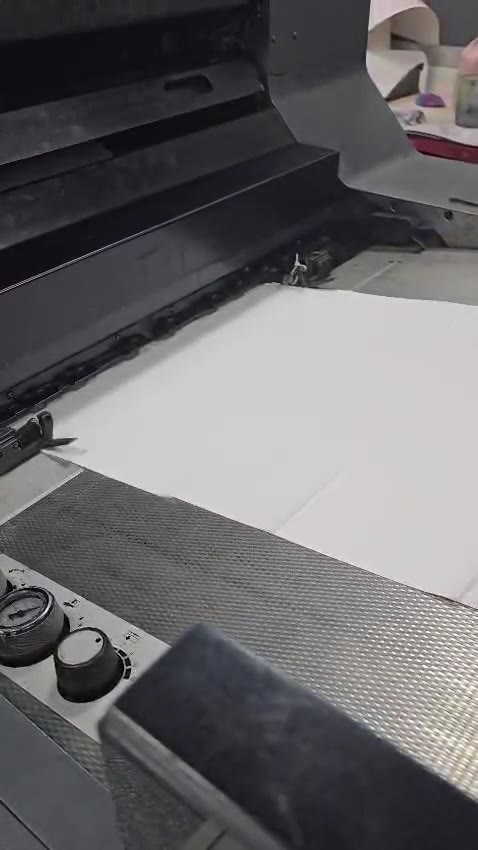
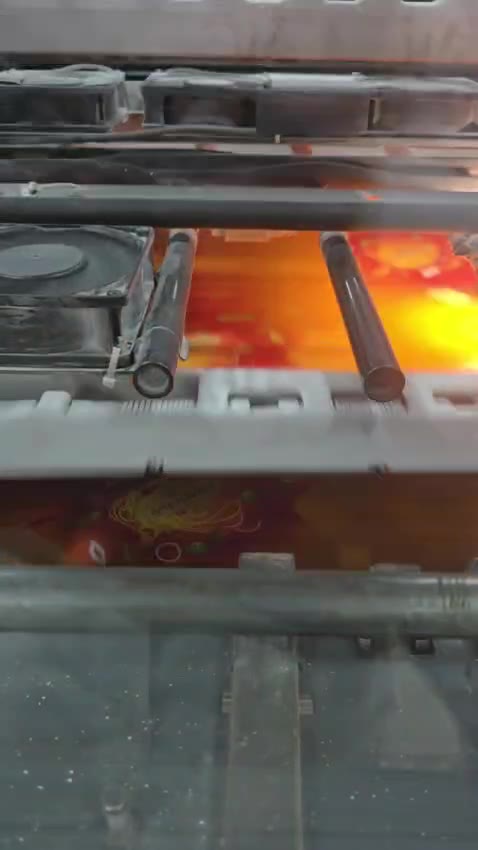
- Self-assessment first. The supplier fills in a detailed questionnaire about the site on the Sedex platform.
- Opening meeting. The auditor explains the scope to management and agrees the plan for the day.
- Site tour. Every area is walked, from the press floor and stores to canteen, toilets, first-aid points and fire exits.
- Records. Attendance, wages, overtime, age proof, contracts, permits, safety drills and training logs are checked, often going back months.
- Worker interviews. A sample of workers is interviewed in private, without managers present.
- Closing meeting. Findings are shared, corrective actions are agreed, and the report goes up on Sedex.
Audits can be announced, semi-announced (a window of dates) or unannounced. Most customers ask for a fresh audit every one to two years.
05 · Why it mattersWhy brands ask for it
- Their own commitments: big brands and retailers promise their customers and investors that their supply chain is ethical. Packaging suppliers are part of that chain.
- Exports: buyers in the UK, Europe and the US increasingly need proof of supply-chain checks.
- Less paperwork: one shared SMETA report replaces several different customer audits.
- Lower risk: a supplier that is audited, and fixes what is found, is a safer supplier to grow with.
06 · SMETA and ISOHow they fit together
ISO standards certify that a management system is in place: ISO 9001 for quality, ISO 14001 for environment and ISO 45001 for occupational health and safety. SMETA checks conditions on the ground, especially for the people doing the work. They answer different questions, which is why buyers often ask for both.
Need a compliant supplier?
We're SMETA 4-Pillar audited and ISO 9001, 14001 and 45001 certified. Ask us for details for your vendor file.