Almost every packaging enquiry we get starts with the same question: should this be a mono carton or a rigid box? Both are printed boxes. They are built in completely different ways, and that changes the price, the feel, the lead time and even what it costs to ship them.
01 · The short answerShelf or gift?
If the box sits on a shelf, goes into a carton by the hundred and gets thrown away once the product is open, it is usually a mono carton. If the box is part of the gift, gets kept, or has to feel expensive the moment it is picked up, it is usually a rigid box.
02 · Mono cartonOne sheet, folded
A mono carton is a single layer of paperboard, usually FBB, SBS or duplex board between roughly 250 and 450 gsm. The sheet is printed on an offset press, given a coating or lamination, then die-cut and creased. A folder-gluer folds it and glues the side seam, and the cartons leave flat, stacked in bundles.
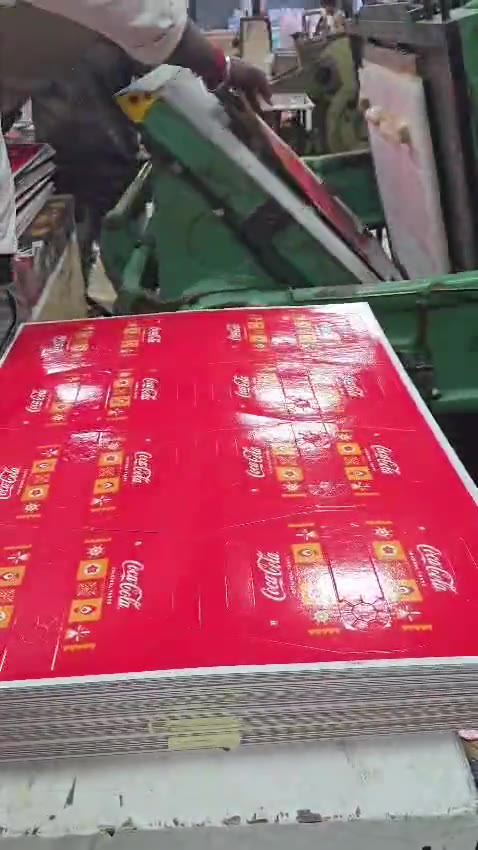
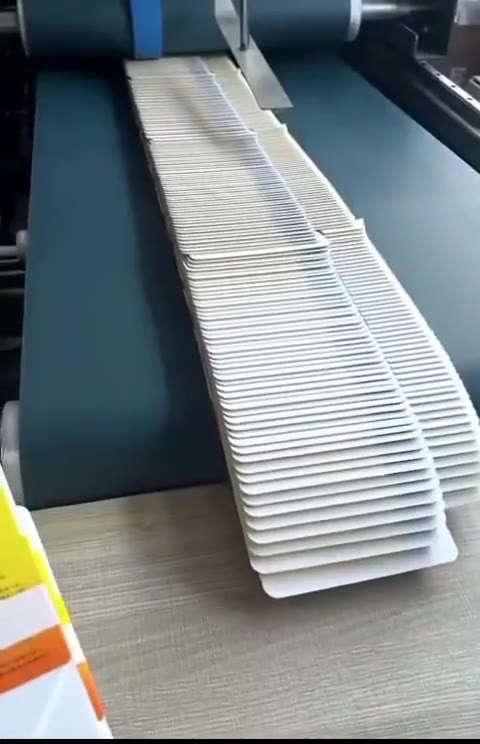
Because it ships flat and runs on machines from start to finish, a mono carton is the cheapest printed box per piece once the quantity goes up. It is what you see on pharma strips, cosmetics, tea, sweets, spices and most FMCG shelves. Common builds are reverse tuck end, straight tuck end, crash-lock bottom and sleeves.
03 · Rigid boxBoard, wrapped
A rigid box starts with thick greyboard, typically 1.5 to 3 mm, cut and formed into a base and lid (or a tray and cover). A separately printed wrap, usually art paper or speciality paper, is glued around the board and turned in at the edges. The box arrives already built and keeps its shape.
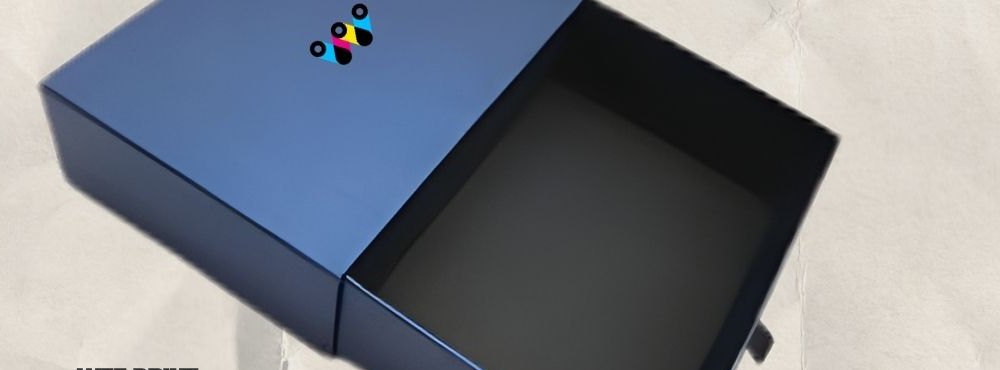
Rigid boxes take more hand work and more material, so they cost more per piece. What you get is weight, crisp corners and a proper unboxing moment. Common builds are lid and base, magnetic flap, book style, drawer (sliding) and collapsible rigid boxes that fold flat for shipping.
04 · Side by sideThe comparison
05 · FinishesBoth can look premium
A mono carton does not have to look cheap. Both box types take the same finishing work:
- Lamination: matte, gloss or soft-touch velvet.
- Hot foil stamping: gold, silver, holographic and coloured foils.
- Embossing and debossing: raised or pressed logos and patterns.
- Spot UV: a gloss layer on selected areas over a matte base.
- Windows: die-cut openings with a clear film behind them.
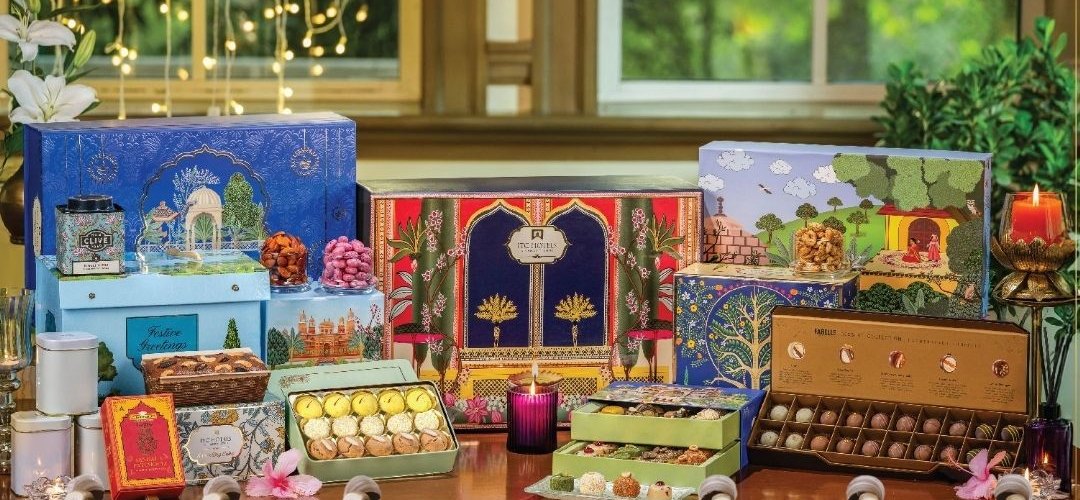
A foiled, embossed mono carton on good board often gives most of the shelf impact of a rigid box at a fraction of the price. That is worth trying before you jump to rigid.
06 · ChoosingWhich one for you
Go mono carton if
- The box is retail or shelf packaging
- You need thousands of pieces or more
- The cost per piece matters
- Boxes are packed on a line or shipped in bulk
Go rigid if
- The box is part of the gift
- The product is premium: jewellery, electronics, spirits, hampers
- The customer should keep the box
- Quantities are in the hundreds or low thousands
Not sure? Send us the product size and rough quantity. We can make a white sample of either build so you can hold both before deciding. If you want to see the flat shape of a carton first, try our dieline tool, which draws a box dieline and folds it in 3D.
Have a box in mind?
Share the product size, quantity and finish. We'll suggest the right build and quote it.